Request Quote
Oops! Something went wrong while submitting the form.

Concrete pumping accidents remain one of the leading causes of onsite injuries across Victoria, and many happen before the pump even starts. It only takes one missed check to put the whole crew at risk.
Melbourne sites can be tight, busy, and unpredictable. A soft patch of ground, a loose clamp or a blocked access point can turn a routine pour into a serious hazard.
This guide walks you through the essential safety checks every operator should complete before firing up the pump, helping you keep your team safe and your pour running smoothly.
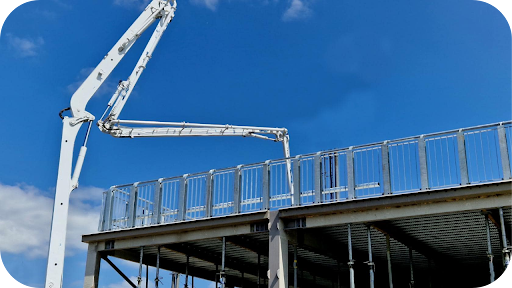
Every Melbourne pumping crew should conduct thorough checks before starting, which helps prevent major risks and keeps each pour controlled and safe. Here are the essential reasons:
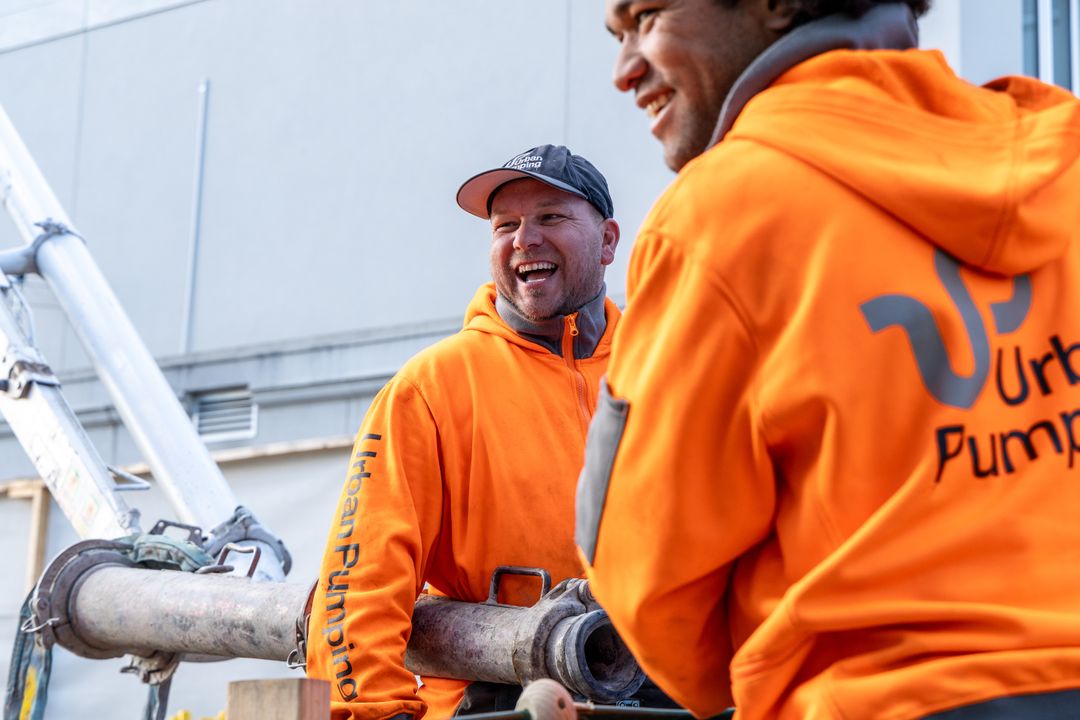
Safety on Melbourne sites begins long before the pump starts, so here are the essential checks that keep every pour controlled and compliant.
A thorough site assessment helps identify every potential hazard that could affect pump operation. Check ground stability, access routes, overhead power lines, space for stabilisers, and the proximity of nearby structures.
Confirm that the site complies with WorkSafe Victoria requirements and that all trades understand the pumping plan. This early review prevents surprises, reduces risk during the pour, and ensures the pump can operate safely from the very first moment.
A complete equipment inspection protects the crew and ensures smooth concrete flow. Look for worn clamps, cracked hoses, loose fittings, hydraulic leaks, inconsistent pressure movement, and any damage to the boom.
The hopper should be clean, the grate secure, and the lubrication points operating properly. This level of checking lowers the chance of sudden blockages, unexpected hose movement, and costly pump stoppages once the concrete pour begins on site.
Clear communication is vital before any concrete pump starts operating. The operator, line hands, spotters, and site supervisor must agree on signals, pour stages, and safety zones.
Discuss escape paths, emergency stop locations, and who controls each part of the pumping process. This preparation helps every person understand their role, reduces confusion during high-pressure moments, and keeps the entire team aligned, which is essential for safe and controlled pumping.
Before the pump begins running, the operator must set clear exclusion zones and ensure no one enters unsafe areas. These zones protect workers from hose whipping, sudden pressure bursts, falling debris, or unexpected machine movement.
Barriers, signage, and verbal briefings ensure everyone understands the boundaries. By keeping bystanders and trades out of the danger zone, you reduce the risk of injury and maintain better control over the entire concrete delivery process.
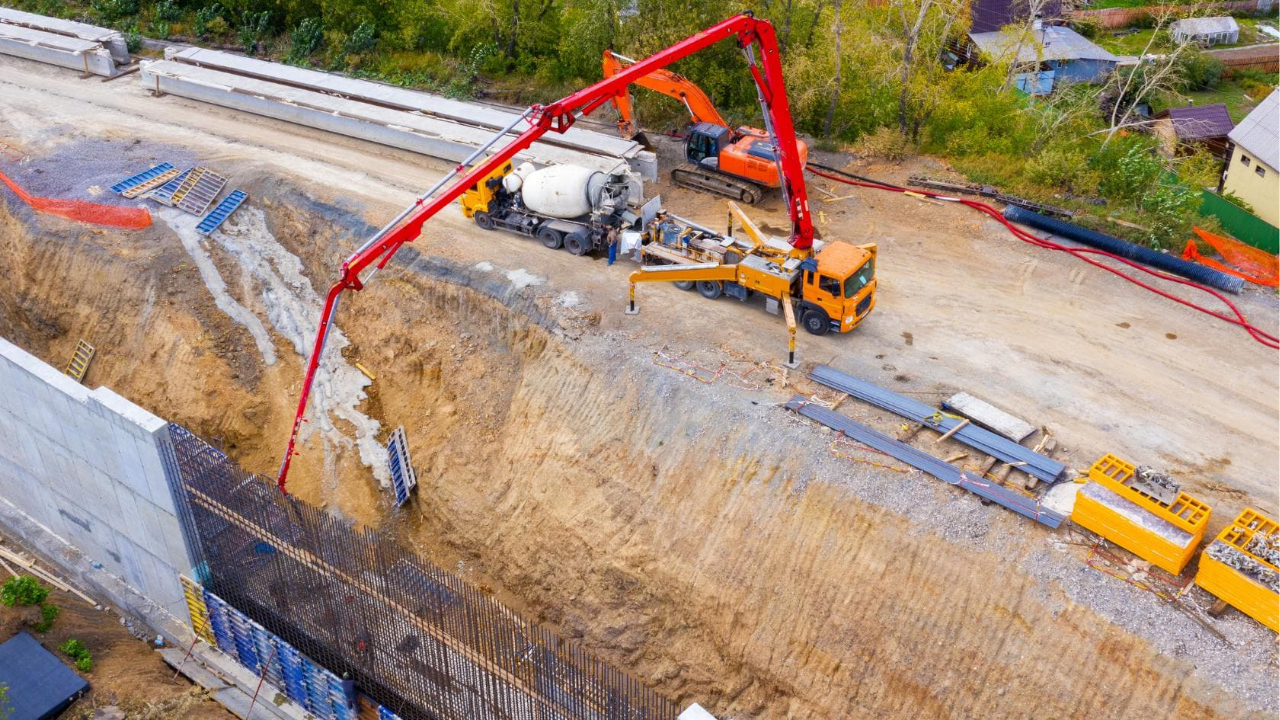
Weather shapes how safely a pump can operate on a Melbourne site. Strong winds can affect boom stability, while heat accelerates concrete setting and changes pump pressure behaviour. Rain creates slip hazards and unstable ground conditions.
Reviewing the conditions allows the operator to adjust the setup, modify hose placement, or delay pumping if required. These checks improve accuracy, reduce mistakes during the pour, and ensure that the pump performs safely in real conditions.
Before pumping begins, stabilisers and outriggers must be secured on firm, even ground. Use pads or timber when working on soil or crushed rock to spread the pressure evenly.
Correct positioning prevents sway, reduces movement during pumping, and keeps the boom stable through every stage of the pour. This improves accuracy, lowers strain on the machine, and gives the operator confidence that the pump will remain secure, even under full working load.
Correct hose positioning is essential before concrete enters the system. Ensure every line is clipped, supported, and arranged to avoid kinks or tight corners. Prime the line properly to remove air pockets and reduce pressure spikes.
Check joints for leaks and confirm clamps are tightly locked. Good preparation protects the crew from hose whipping, ensures smoother concrete flow, and lowers the risk of sudden blockages during the most critical moments of the pour.
Every pump must be equipped with working emergency stops, and the crew must know how to use them. Review shut-off points, backup communication methods, and the plan for stopping the pour if something changes.
When emergencies are understood beforehand, the operator and crew can respond quickly and confidently. This preparation helps prevent small issues from turning into dangerous situations and ensures that safety takes priority at every stage of the work.
Here are the major onsite risks that strong pre-operation checks help prevent, keeping Melbourne pumping crews safer and every concrete pour controlled from start to finish.
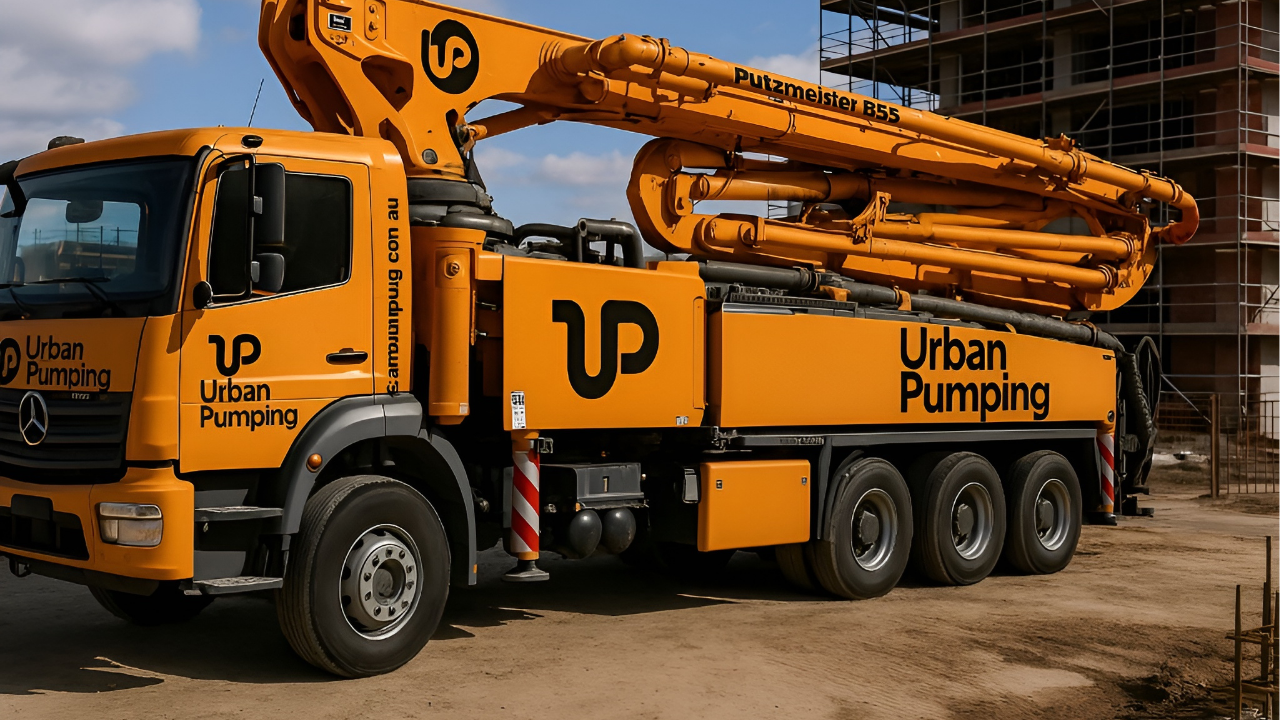
Urban Pumping has earned a strong reputation across Melbourne for placing safety at the centre of every concrete pour. Our team understands how unpredictable construction sites can be, so we arrive prepared with strict procedures, reliable personal protective equipment, and operators who know exactly how to manage risks before work begins.
Each pump is thoroughly inspected, every setup area is assessed, and all communication plans are confirmed with the crew to keep the job steady and predictable. Clients trust us because we combine experience with genuine care, ensuring that every step from setup to washout is handled with discipline and attention.
Whether we are working on a tight residential block or a busy commercial site, our operators bring consistent safety, skill and professionalism. This keeps projects running smoothly while protecting workers, equipment and timelines. When builders want a pumping partner that treats safety as a non-negotiable priority, they choose Urban Pumping.
A safe pour always starts with solid preparation, and these checks help crews stay ahead of the risks that come with busy Melbourne sites. When operators assess the ground, inspect equipment, and communicate clearly, every stage of the job runs more smoothly and safely.
If you want a pumping team that prioritises safety from the moment they arrive, reach out to Urban Pumping. Our crews bring the skill, care, and experience needed to keep your project moving with confidence.