Request Quote
Oops! Something went wrong while submitting the form.

Traditional pouring methods slow many Melbourne builds, with nearly half of project delays linked to manual concrete placement. Crews feel the pressure. Timelines stretch. Costs rise.
Wheelbarrows, uneven ground, and access issues turn simple pours into stressful, labour-heavy tasks. The risk of mistakes grows fast. Builders lose valuable momentum.
Concrete pumping changes the pace completely. It speeds up pours, boosts accuracy, and keeps sites safer. This article explains why more Melbourne builders are choosing pumping as their go-to method and what makes it a smart choice for modern projects.
Melbourne’s construction environment has changed quickly, and builders now face tighter timelines, narrower blocks, and more complex residential designs than ever before. Multi-level homes, sloped sites, and dense suburban developments demand faster, cleaner, and more controlled concrete placement.
Traditional pouring methods struggle to keep pace with these expectations because they rely on heavy manual labour, slow concrete transport, and difficult manoeuvring around busy worksites. As projects grow more detailed, builders cannot afford delays caused by uneven access or inconsistent placement.
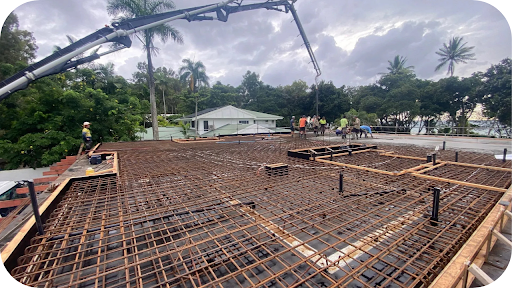
Concrete pumping has stepped in as a practical response to these shifting conditions, offering steady flow, improved accuracy, and safer operations across a wide range of site types.
The move toward pumping reflects Melbourne’s push for efficiency and better structural outcomes. It gives crews the tools to work smarter, minimise disruption, and maintain a predictable workflow from the first pour to the final finish.
Pumping and traditional pouring deliver very different outcomes, and understanding these differences helps builders choose the method that keeps projects running smoothly.
Pumping delivers concrete far faster than manual barrow or chute methods. Crews receive a continuous flow directly to the formwork, reducing labour strain and keeping the pour moving at a steady pace.
Traditional pouring often slows down due to access issues, uneven ground, or worker fatigue. Pumping maintains momentum across the entire site and helps builders meet deadlines with fewer delays.
Pumping allows operators to guide concrete exactly where it is needed, even in complex formwork, upper levels, or tight spaces. This level of accuracy is difficult to achieve with wheelbarrows or basic chutes, especially on busy sites.
Controlled flow results in cleaner finishes, fewer errors, and stronger structural consistency. Traditional methods rely heavily on manual handling, increasing the risk of uneven distribution.
Pumping reduces hazardous manual handling by eliminating repetitive barrow trips across uneven surfaces. Workers avoid heavy lifting, navigating obstacles, and moving loads through crowded areas. This lowers the risk of injuries and creates a more organised worksite.
Traditional pouring attracts more foot traffic and creates clutter, often leading to congestion and safety concerns. Pumping improves workflow and keeps the environment far more controlled.
Many Melbourne sites feature narrow side paths, steep driveways, or limited frontage, which make traditional pouring difficult. Pumping overcomes these challenges by delivering concrete through hoses that can reach almost any part of the property.
Traditional methods require direct truck access or long manual transport, which can slow the job and increase fatigue. Pumping ensures efficient placement even in hard-to-reach areas.
Continuous flow through pumping produces stronger, more uniform concrete. It reduces the risk of cold joints and improves compaction throughout slabs, beams, and vertical elements.
Traditional pouring often produces inconsistent results because breaks in manual transport disrupt the pour. Pumping supports better long-term durability and helps builders achieve a higher standard of structural integrity across the entire project.
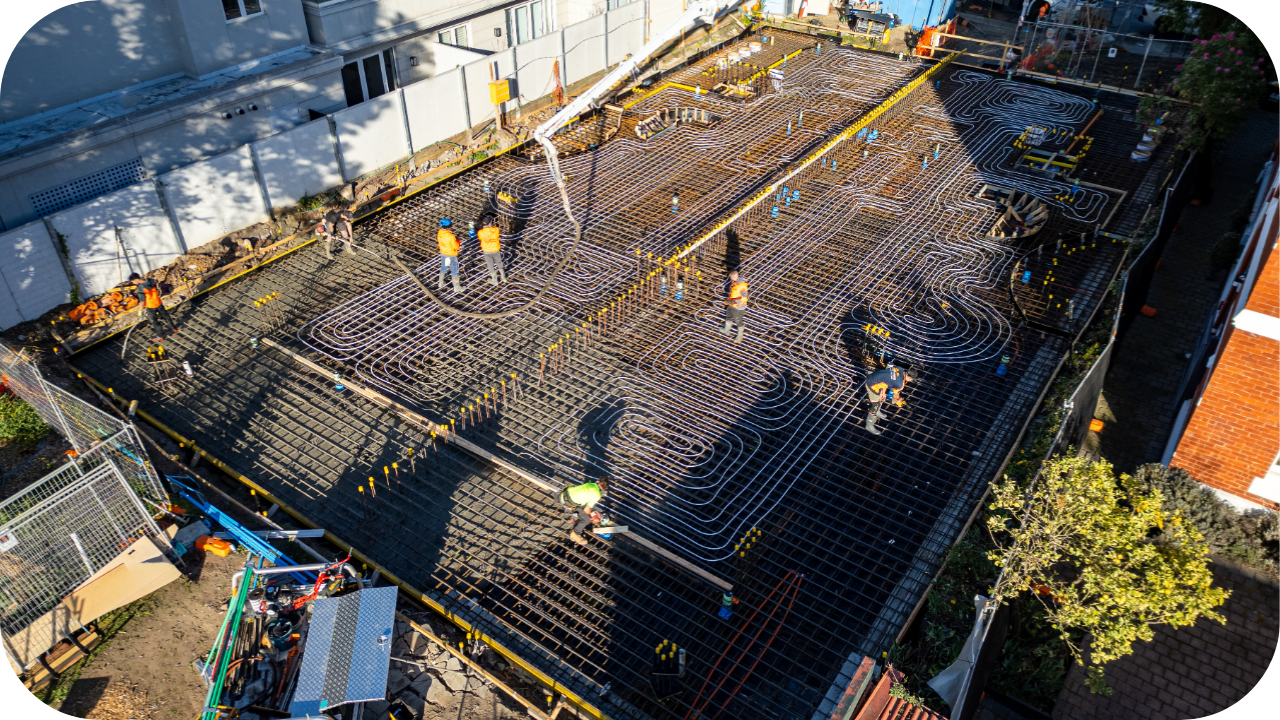
Melbourne builders are turning to pumping because it delivers faster placement, cleaner results, and far better control than older concrete pouring methods. Here is why:
Pumping helps Melbourne builders move concrete quickly without relying on heavy manual labour. A steady flow keeps the pour progressing smoothly, reducing downtime and eliminating the usual delays associated with wheelbarrow transport or awkward access.
Crews stay focused on placing and finishing concrete rather than moving it around the site. This efficiency supports tighter schedules and helps builders deliver projects on time.
Many Melbourne homes sit on narrow blocks where trucks cannot reach the pour area. Pumping solves this by sending concrete through hoses that travel through side paths, around obstacles, or directly to upper floors.
Builders avoid the stress of navigating tight spaces with barrows, and the pour stays clean and consistent. This access advantage is one of the main reasons pumping has become the preferred method.
A continuous, uninterrupted flow helps create stronger slabs, beams, and footings. Pumping reduces the chance of cold joints, uneven compaction, and weak spots that can form when concrete arrives in small batches.
Builders get a more uniform finish with better long-term durability. This reliability is essential for multi-level builds, feature structures, and projects where strength cannot be compromised.
Pumping eliminates the need for repeated trips across uneven ground, significantly reducing the risk of slips, strains, or collisions. Hoses deliver concrete directly to the placement zone, keeping the worksite cleaner and more transparent for all trades.
With fewer obstacles to navigate and less manual handling required, builders maintain a safer environment and a smoother workflow.
Modern architectural styles demand precise placement for stairs, beams, suspended slabs, and detailed formwork. Pumping offers the control needed to fill these shapes evenly without overflows or gaps.
Operators can quickly adjust flow and direction, enabling builders to achieve accurate results in every section. This consistency supports high-quality finishes and helps meet the expectations of modern Melbourne homeowners.
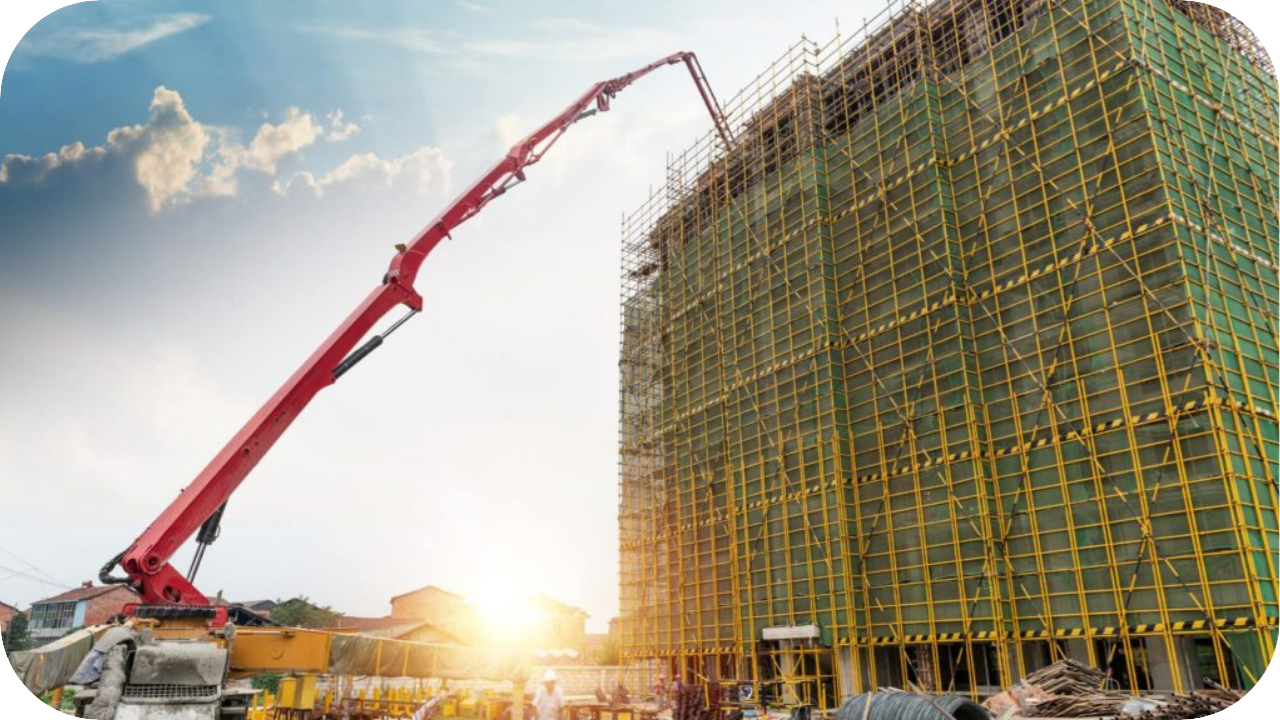
Concrete pumping offers substantial safety advantages across Melbourne’s unpredictable conditions, giving builders a more controlled, organised, and low-risk approach to every pour.
Concrete pumping helps builders overcome the challenges that often slow or complicate Melbourne projects, keeping every pour controlled, efficient, and predictable. Here are some of the challenges:
Choosing the right pump is essential for delivering smooth, safe, and efficient concrete placement on Melbourne projects. Every site has its own mix of access limits, elevation needs, and pour volumes, so the pump must match these conditions.
Line pumps suit most residential jobs because they navigate tight paths, long ground runs, and tricky backyard layouts while maintaining a steady flow. They are ideal for slabs, footings, infills, and smaller structural elements.
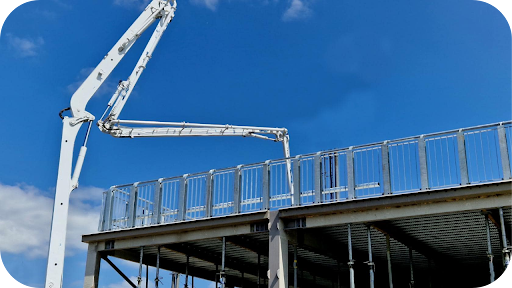
Boom pumps work best when height or reach becomes a challenge, especially on multi-level homes, commercial builds, or sites with obstacles such as fences or neighbouring structures. Their extended arm places concrete directly where it is needed without long hose setups.
Larger pours or complex shapes may require higher output pumps for consistent delivery. By assessing access, distance, and the structural requirements of the job, builders can select the pump that keeps the worksite safe and the pour consistent from start to finish.
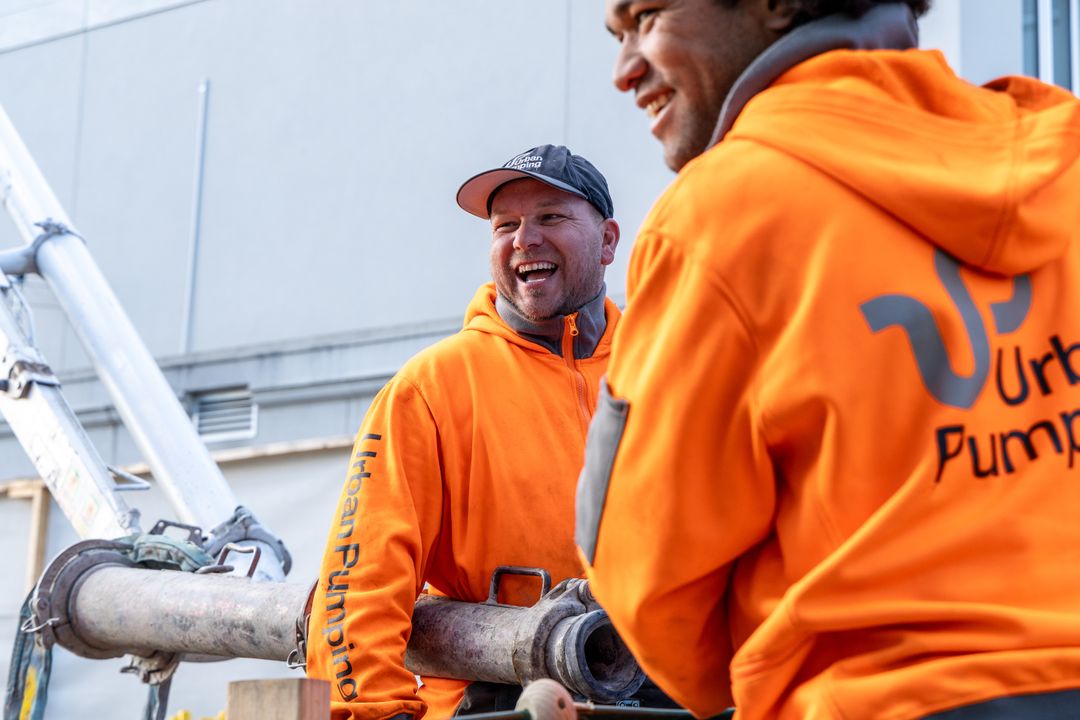
Urban Pumping supports Melbourne builders by providing reliable, well-planned concrete pumping services that meet the demands of modern construction.
Every project begins with a clear assessment of access, elevation, and pour requirements so the right pump and line setup can be selected. This preparation helps builders avoid delays and maintain steady progress, even on tight residential blocks or multi-level sites.
Skilled operators manage pressure, flow, and hose movements with precision, which improves accuracy and reduces the risk of weak points or uneven placement. The team communicates closely with concreters throughout the pour to ensure timing stays consistent and every section is filled correctly.
Well-maintained equipment adds another layer of dependability, giving builders confidence that each pour will run smoothly. By combining experience, planning, and a strong safety focus, Urban Pumping helps builders deliver high-quality results while keeping projects efficient and stress-free.
Concrete pumping has become the preferred choice for Melbourne builders because it delivers cleaner pours, quicker timelines, and stronger structural results without the strain of traditional methods.
With better access, smoother flow, and safer work environments, pumping supports the fast-paced nature of modern residential and commercial projects. As sites grow tighter and designs become more complex, this approach offers the reliability crews need to stay on schedule.
For builders who want efficient, accurate, and stress-free concrete placement, Urban Pumping is ready to support every stage of the job. Get a free quote today!